
"arabica conditions"
6000 article(s) found

Introduction to the planting situation of Arabica Coffee Manor
Arabica coffee trees grow between 900m and 2000 m above sea level; they are hardy, and the suitable growth temperature is 1524 ℃; they need more humidity, and the annual rainfall is not less than 1500 ml. At the same time, they also require higher cultivation techniques and conditions. Arabica coffee beans are mainly grown in South America (except Argentina and parts of Brazil), Central American countries and Africa.

Sidamo production area introduced by Coffee Tree Plantation
Variety classification Arabica bean coffee tree can be divided into two main varieties: Arabica species (Coffea Arabica) and Robusta species (Coffea Robusta/Coffea Canephora). There are also some minor species, such as the Liberian species (Coffea Liberica) and the Alabasta species (Coffea Arabusta), but they are rare on the market. Rob.

Cultivation conditions of coffee "coffee belt" (Coffee Belt)
There is a noun called Coffee Belt. There are more than 60 coffee producing countries in the world, most of which are located in the tropics and subtropics between the Tropic of Cancer (latitude 2326). This coffee growing area is called a coffee belt or coffee area (Coffee Zone). The annual average temperature of the coffee belt is above 20 ℃, because the coffee tree is a tropical plant, and if the temperature is below 20 ℃,
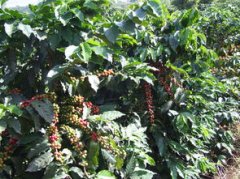
Coffee knowledge what conditions are needed for coffee cultivation
There is a noun called Coffee Belt. There are more than 60 coffee producing countries in the world, most of which are located in the tropics and subtropics between the Tropic of Cancer (latitude 2326). This coffee growing area is called a coffee belt or coffee area (Coffee Zone). The annual average temperature of the coffee belt is above 20 ℃, because the coffee tree is a tropical plant, and if the temperature is below 20 ℃,

Yunnan small-grain Coffee Huaguoshan Coffee Flavor description grindability treatment characteristic Variety production area introduction
Coffee cultivation in China is concentrated in Yunnan and Hainan provinces. Yunnan has a large output, with an annual output of about 26000 tons in recent years, accounting for 90 per cent of the national output. It is said that Yunnan coffee came from the French 70 or 80 years ago. The main variety is Arabica Arabica, that is, the so-called small seed coffee, commonly known as Yunnan small grain coffee. The excellent geographical and climatic conditions of Yunnan provide good conditions for the growth of coffee.
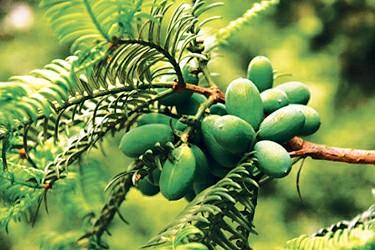
The planting conditions of coffee trees what kind of geographical environment is conducive to coffee planting and the introduction of coffee trees
Coffee tree coffee (Xoffea arabica Linn) coffee is a perennial evergreen shrub or small tree of Rubiaceae. It is a horticultural perennial cash crop with the characteristics of fast growth, high yield, high value and wide market. Wild coffee trees can grow to 5 to 10 meters high, but coffee trees planted on manors are often cut to less than 2 meters in order to increase fruit and facilitate harvesting.

A brief introduction to the flavor and aroma characteristics of Colombian Huilan boutique coffee beans with soft taste
Colombian coffee has a balanced flavor and a smooth taste, just like a gentleman in coffee. He has a wide range of producing areas, best known as Medellin, Armenia and Manizales. Traditionally known as MAM Colombian Coffee, the grower of Colombian Coffee, Arabica Coffee

What growth conditions are needed to grow coffee beans?
The latitude is between the north and south latitudes, that is, the temperature in the tropical and tropical areas is about 21 degrees Celsius, and the sunshine is only a few hours a day. The terrain is mainly located in the mid-levels of 300 to 400 meters, or on slopes of 1500 to 2500 meters. The higher the altitude, the higher the quality. Because the sunshine time is short and the drainage is good. Under the coffee bar like the root tide, high in the middle of the coffee bar, placed in the coffee bar.

Description of the characteristics and Flavor of Yunnan Coffee beans A brief introduction to the taste of the growing environment
A brief introduction to the taste of Yunnan coffee beans, also known as Arabica (Arabica), is the most traditional Arabica coffee variety, generally known as Yunnan small seed coffee, has been cultivated for more than a hundred years. Before the 15th century, coffee was monopolized by the Arab world for a long time, so it was called Arabian coffee by Europeans. Original

Yunnan fine coffee bean varieties planting geographical location climate altitude profile
Yunnan coffee is said to have been handed down by the French 70 or 80 years ago. The main production variety is Arabica Arabica, that is, the so-called Arabica coffee, commonly known as Yunnan Arabica coffee. Yunnan's high-quality geographical and climatic conditions provide good conditions for coffee growth. The planting areas are Lincang, Baoshan, Simao, Xishuangbanna, Dehong and other prefectures. Yunnan's natural conditions are very similar to those of Colombia

Yunnan coffee Yunnan small grain coffee Yunnan boutique coffee
Yunnan small-grain coffee in China is a beverage crop with high economic value, which is called the three largest beverages in the world together with cocoa and tea, and its output and consumption ranks first among the three beverages. Coffee is rich in protein, fat, sucrose, starch, glucose, caffeine and other substances, rich aroma and delicious taste. Coffee is a perennial evergreen shrub of the genus Coffee of Rubiaceae or Xiao Qiao.

How to confirm the distribution of the proportion of coffee blending
It is understood that Arabica coffee beans are harsh on planting conditions, they need to grow at higher elevations, fertile soil, sufficient moisture, moderate sunshine and shade conditions, and their ability to resist diseases and insect pests is poor; while Robusta, this kind of coffee beans, known as stout beans, can be grown at low elevations, and it is more resistant to diseases and insect pests. Maybe coffee lovers
The difference between coffee bean Arabica and Robusta
Compared with Arabica, Robusta has more than twice as much caffeine and is generally considered to be of lower quality than Arabica. However, the value of high-quality Robusta lies in the combination of espresso beans, which is very important for the quality of espresso. Robusta is easier to grow and more resistant to disease than Arabica, and can grow at lower altitudes and weather conditions.

The types and characteristics of coffee trees how many kinds of coffee trees are there and what are the most common coffee trees
Professional coffee knowledge exchange more coffee bean information Please pay attention to the coffee workshop (Wechat official account cafe_style) what are the conditions for growing coffee trees? The origin of the coffee tree is Ethiopia in Africa. In botany, the coffee tree belongs to the evergreen tree of the subgenus Rubiaceae, and coffee beans, commonly known as coffee beans, are the seeds of the fruit of the coffee tree, just because they are shaped like

Introduction to the types and tastes of coffee beans the price of coffee beans does not represent quality
Professional coffee knowledge exchange more coffee bean information please follow the coffee workshop (Wechat official account cafe_style) coffee beans: there are more than 100 kinds of coffee in the world, but at present there are two most common coffee beans: Arabica and Robusta these two kinds of coffee are different in flavor, caffeine proportion and planting conditions.
Introduction of coffee beans and some boutique coffee in the main producing areas of coffee beans in the world (1)
Introduction of coffee beans and some boutique coffee in the main coffee producing areas of the world: South America

Soft taste of Colombia Hui Lan fine coffee beans varieties planting market price profile
It has long been thought to be monopolized by Japanese roasters. In recent years, Colombia's government has encouraged free trade by requiring Japanese roasters to withdraw a share. The National Coffee Growers Federation of Colombia is also paying more attention to the market. 2007 Director of Intellectual Property, National Coffee Growers Federation of Colombia: Luis Fernándo Sambel, Accepting China Notes

Coffee planting conditions and natural factors of coffee tree planting
Professional coffee knowledge exchange more coffee bean information Please pay attention to the coffee workshop (Wechat official account cafe_style) Coffee trees grow in the tropics between the Tropic of Cancer and the Tropic of Cancer and near the equator, also known as the world coffee growth belt, caffeine varieties and regional factors, there are also great differences in appearance. Evergreen leaves from yellowish green to dark green or even
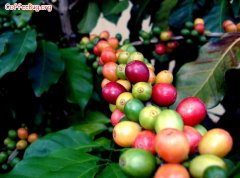
A variety of coffee, Arabica, Karobsta, Lubebeca
Coffee beans (Coffee Bean) can be divided into three types, namely Arabica-coffee contains caffeine of about 1% per cent by weight. Generally speaking, the better quality and more expensive coffee beans come from coffee beans grown by Elaraby. It accounts for 3/4 of the world's output and is of good quality, because the coffee tree itself is sensitive to heat and humidity.

Nicaragua Cadura Fine Coffee Bean Planting Conditions Geographical Location Climate Elevation Simple
Perhaps you care more about the taste of kadura than about these botanical traits. The higher the elevation, the higher the quality, but the lower the yield. When Kadura is lightly roasted, the sour aroma is obvious, and the overall brightness is bright. Under proper treatment, the sweetness can be very good, but the alcohol content of coffee is relatively low compared with bourbon, and the cleanliness of the taste is a bit lacking.